Category: Blog

Welcome to Dr. Rosho Blog

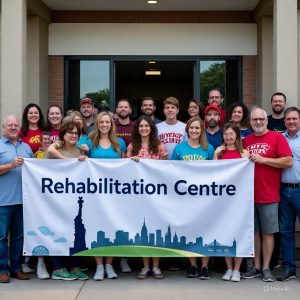
  • Rehabilitation Centers in America

    *Rehabilitation Centres in America: A Lifeline to Recovery*
    Rehabilitation centres, also known as rehab centres, play a crucial role in the United States’ healthcare system. These institutions provide structured support and treatment for individuals struggling with addiction, mental health disorders, or physical injuries. In a country where substance abuse and chronic illnesses are prevalent, rehab centres serve as a lifeline for millions seeking recovery and a better quality of life.
    Types of Rehabilitation Centres
    There are several kinds of rehabilitation centres in America, each catering to different needs:
    1. Substance Abuse Rehabilitation Centres*
    These are the most common type. They offer detoxification, counseling, and therapy for individuals addicted to alcohol, prescription drugs, or illegal substances.
    2. Mental Health Rehabilitation*
    Focused on individuals dealing with mental illnesses such as depression, anxiety, PTSD, or schizophrenia. These centres offer therapy, medication management, and life skills training.
    3. Physical Rehabilitation Centres*Designed for those recovering from surgeries, strokes, injuries, or chronic physical conditions. Services include physiotherapy, occupational therapy, and speech therapy.
    4. Dual Diagnosis Centres*
    These facilities treat co-occurring disorders – where a person suffers from both addiction and mental health issues.
    Inpatient vs. Outpatient Rehabilitation
    -Inpatient Rehabilitation*: Patients stay in the facility for a period, receiving 24/7 care. Ideal for those with severe addiction or health conditions.
    -Outpatient Rehabilitation*: Patients attend therapy sessions during the day but live at home. Suitable for milder cases or those who have strong support systems.
    Popular Rehabilitation Centres in the U.S.
    Some of the most recognized and respected rehab centres include:
    -The Betty Ford Center (California)* – Known for high-profile treatment and holistic approaches.
    -Hazelden Betty Ford Foundation (Multiple states)* – Offers both inpatient and outpatient care.
    -Caron Treatment Centers (Pennsylvania)* – Focuses on family-inclusive programs.
    -Promises Treatment Center (California)* – Offers luxury rehab services.
    -Phoenix House (Nationwide)* – One of the largest non-profit rehab networks in the U.S.
    Services and Treatments Offered
    Rehabilitation centres in America commonly offer:
    – Individual and group therapy
    – Medical detox
    – Cognitive Behavioral Therapy (CBT)
    – Dialectical Behavioral Therapy (DBT)
    -Medication-Assisted Treatment (MAT)
    – Aftercare planning and support groups (e.g., AA, NA)
    The Importance of Aftercare
    Recovery doesn’t end after leaving a rehabilitation centre. Aftercare is crucial to prevent relapse. Many centres offer continued support such as sober living homes, follow-up therapy, and peer support groups.
    Challenges and Accessibility
    While America has some of the best rehab centres in the world, challenges still exist:
    – *High Costs*: Some programs are expensive, especially private or luxury facilities.
    – *Insurance Limitations*: Not all treatments are covered by insurance.
    – *Stigma*: Many avoid treatment due to societal judgment.
    However, many non-profit and state-funded centres provide affordable or free services for those in need.
    Conclusion
    Rehabilitation centres in America offer hope and healing to people facing some of life’s toughest battles. From addiction to physical recovery, these centres provide tools and support to help individuals rebuild their lives. With the right care and commitment, recovery is not just possible — it’s within reach.
    Courtesy by:-
    Ngo Grants Helpline
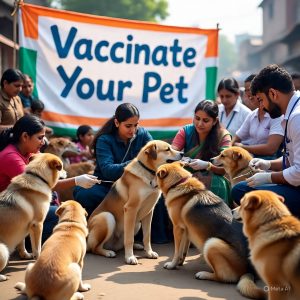
  • आवरा कुत्तों का नस बंदी टीकाकरन

    *भारत में कुत्तों की नसबंदी (sterilization) / नियंत्रण* — विशेष रूप से आवारा (stray) कुत्तों के लिए — *मापदंड (guidelines / rules / policy framework)* कैसे तय किए गए हैं, और किन‑किन ज़रूरतों, जिम्मेदारियों और प्रक्रियाओं का पालन करना आवश्यक है। ❗ यह जानकारी 2023 के नए नियमों और हाल की स्थिति पर आधारित है।
    📜 वैधानिक / कानूनी आधार
    – भारत में आवारा कुत्तों की नसबंदी और टीकाकरण का काम मुख्य रूप से Animal Birth Control Rules, 2023 (ABC Rules, 2023) के तहत किया जाता है। [1]
    – ये नियम Prevention of Cruelty to Animals Act, 1960 के अंतर्गत बनाए गए हैं। [2]
    – इसके तहत, किसी भी नगर निगम, पंचायत या स्थानीय निकाय (local authority) को आवारा कुत्तों के प्रबंधन — जिसमें नसबंदी, वैक्सीनेशन, देख‑रेख, रिकॉर्ड‑कीपिंग आदि शामिल हैं — की जिम्मेदारी दी गई है। [3]
    ✅ नसबंदी (Sterilization) के लिए मुख्य मापदंड / ज़रूरतें
    1. *Humanely sterilize & vaccinate + release back*
    – नसबंदी (sterilization) के साथ-साथ हर कुत्ते को रैबीज का टीका (anti‑rabies vaccination) देना अनिवार्य है। [4]
    – नसबंदी के बाद — यदि कुत्ता स्वस्थ हो — उसे उसी क्षेत्र में वापस छोड़ना चाहिए जहाँ से पकड़ा गया था। [3]
    2. *Infrastructure requirements*- नगर निकायों को पर्याप्त सुविधाओं (सर्जरी थिएटर, पशु‑चिकित्सा सुविधा, केनेल / आवास, रिकवरी युनिट, वाहन, देखभाल) उपलब्ध कराने होंगे। [3]
    – एडमिनिस्ट्रेटिव व्यवस्था: कस्बों / शहरों में नसबंदी केन्द्र (ABC Centers) स्थापित करना। [3]
    3. *Record‑keeping और डेटा प्रबंधन*
    – हर कुत्ते का रिकॉर्ड: कब पकड़ा, कब नसबंदी हुई, वैक्सीनेशन, पहचान (ear‑tag / micro‑chip / marking) आदि दर्ज करना। [5]
    – क्षेत्रवार (area‑wise) ट्रैकिंग — sterilized / vaccinated / released कुत्तों का विभाजन। [5]
    4. *Coverage Target (जनसंख्या नियंत्रण लक्ष्य)*
    – WHO और विशेषज्ञों के अनुसार, किसी क्षेत्र में कुत्तों की नसबंदी के लिए लक्ष्य होना चाहिए कि कम‑से‑कम *70%* कुत्तों को एक प्रजनन‑चक्र (≈ 6 महीने) में sterilize और vaccinate किया जाए। [4]
    – विशेष ध्यान: मादा कुत्तों (female dogs) की नसबंदी में प्राथमिकता — आमतौर पर 70:30 (female:male) से। [4]
    5. देखभाल + पशु कल्याण (Animal Welfare)*
    – नसबंदी के बाद कुत्तों को ठीक तरह से देखभाल (post‑operative care), संक्रमण‑रोधी दवाएं, आराम, भोजन उपलब्ध कराना अनिवार्य है। [6]
    – किसी भी बीमारी, आक्रामक व्यवहार या रैबीज़ के लक्षण दिखने पर उचित चिकित्सकीय देखभाल या संगरोध की व्यवस्था। [3]
    6. स्थानीय निकायों की ज़िम्मेदारी*
    – नगर निगम, नगरपालिका, पंचायत आदि स्थानीय निकायों को ABC कार्यक्रम लागू करना होगा। [3] turn0search28- साथ ही, आवारा कुत्तों के लिए आवास / shelter सुविधाओं व पशु अस्पताल/पशुचिकित्सा सेवाओं की व्यवस्था करना भी स्थानीय निकायों की जिम्मेदारी है। [3]
    📌 अन्य प्रावधान और बिंदु
    – निजी संस्था / NGO / पशु कल्याण संगठन (Animal Welfare Organization) जिन्हें Animal Welfare Board of India (AWBI) द्वारा मान्यता दी गई हो, वे नसबंदी अभियान चला सकती हैं। [2]
    – नसबंदी और टीकाकरण कार्यक्रमों का क्षेत्र‑आधारित (area‑based) दृष्टिकोण अपनाना चाहिए — यानी, एक‑एक मोहल्ला / वार्ड / ज़िला को लगातार मॉनिटर करना चाहिए। [5]
    – यदि कोई कुत्ता रैबीज़ संक्रमित या आक्रामक पाया जाए — उन्हें वापस xछोड़ने की बजाय shelter / quarantine में रखना चाहिए। [3]
    🟡 2025 में नया अपडेट: चुनौतियाँ और बहस
    2025 में, कुछ अदालतों/नगर निकायों द्वारा अलग निर्देशों का प्रस्ताव — जैसे कि sterilised dogs को छोड़ने की बजाय shelters में रखने की मांग, विशेष रूप से उन कुत्तों के लिए जिन्हें बार‑बार काटने की रिपोर्ट मिले हों। [7]
    – लेकिन, पशु कल्याण समूहों ने तर्क दिया है कि यह कदम Animal Birth Control Rules, 2023 के उद्देश्य और वैज्ञानिक दृष्टिकोण से मेल नहीं खाता — क्योंकि relocation / cmass confinement से समस्या का स्थायी समाधान नहीं होता। [8]
    ✅ निष्कर्ष
    – भारत में आवारा कुत्तों की नसबंदी और नियंत्रण के लिए एक स्पष्ट कानूनी और तकनीकी ढाँचा मौजूद है — ABC Rules, 2023.- यदि इन मापदंडों — जैसे sterilization + vaccination + record‑keeping + humane handling + area‑wise coverage + shelter facilities — का पालन ठीक से हो, तो कुत्तों की आबादी नियंत्रित की जा सकती है, और रैबीज़, डॉग‑बाइट या मानव–कुत्ता संघर्ष जैसी समस्याएँ कम हो सकती हैं।
    – साथ ही, पशु कल्याण, दयाभाव और समाज‑सुरक्षा के बीच सही संतुलन बने — यही इस नीति का मूल उद्देश्य है।
    Courtesy by:-
    Ngo Grants Helpline

  • Healthy Awareness Tips By Dr.Rosho

    चूर्ण के प्रयोग करने की शास्त्रानुसार विधिः

    चूर्ण मात्रा: वयस्क के लिए १२.५ ग्राम (एक तोला) प्रतिदिन है।
    चूर्ण में गुड़ आदि की मात्रा (वज़न):
    गुड़ ….चूर्ण के बराबर
    मिश्री…दुगनी मात्रा
    हींग (1 gram) को देसी घी में भून कर पीस कर मिला कर प्रयोग करें।

    चूर्ण सेवन विधि:
    यदि चूर्ण को शहद, घृत में मिलाकर सेवन करना हो तो दुगना मान (वज़न) लें। यदि केवल द्रव (liquid) के साथ चूर्ण को सेवन करना हो तो चूर्ण से चार गुना लें।
    अनुपान:
    औषधि सेवन के बाद जो द्रव द्रव्य (liquid- दूध, आसव, पानी आदि) पिया जाता है उसे अनुपान कहते हैं।
    यदि वातज, पित्तज, कफज रोगों में चूर्ण का अनुपान लेना है तो द्रव द्रव्य १२ तोला ( 12.5×12=150ml) लें।
    यदि अवलेह (च्यवनप्राश) आदि के बाद लेना हो तो ८ तोला
    (8× 12.5= 100 ml) लें।
    यदि गुटिका, वटी और कल्क (औषधि की चटनी) का सेवन करना हो तो ४ तोला ( 4× 12.5= 50ml) लें।
    I wish you all good health.

    MIND, BODY & SOUL

    रोग प्रायः तीन प्रकार के होते हैं एक वो जो गलत खान-पान एवं गल्त जीवन शैली के कारण पैदा होते हैं दूसरे वह रोग होते हैं जो मन के विकारों के कारण होते हैं। जैसे कि:- ईर्ष्या, द्वेष, लोभ आदि में बहुत अधिक ग्रस्त होना तथा तीसरे वह रोग होते हैं जो पूर्व जन्म के पाप कर्मों के कारण होते हैं, जिन्हें आधुनिक चिकित्सा विज्ञान नहीं मानता, परन्तु जन्मजात रोग क्यों होते हैं, इसका उत्तर उनके पास नहीं है।

    शरीर के रोग जब पुराने हो जाते हैं तो वह मानसिक रोगों को जन्म देते हैं तथा साथ में हमारी आत्मा तक को भी विकृत कर देते हैं। यदि मानसिक रोगों एवं उनके कारणों को दूर न किया जाए तो यही रोग शरीरक रोग बन जाते हैं। आज की मेडिकल चिकित्सा ने स्वस्थ शरीर की परिभाषा में कहीं भी मन, इन्द्रियों एवं आत्मा की स्वस्थता को नहीं माना है, केवल रक्त , मूत्र आदि के परीक्षणों के आधार पर ही शरीर की स्वस्थ्यता एवं अस्वस्थ्यता को देखा जाता है।लेकिन पुरातन ग्रन्थों में इससे कहीं आगे मन एवं आत्मा की सुख पूर्ण अवस्था भी शरीर के लिए आवश्यक कही गई है। इस सिद्धांत को आज W.H. O (World Health Organization) ने भी स्वीकार कर स्वस्थ शरीर की परिभाषा आयुर्वेद के अनुसार मानी है।

    अतः संक्षिप्त में कहा जाए तो आयुर्वेद, जो कि विश्व की प्राचीनतम चिकित्सा प्रणाली है, के सिद्धांतों को अपना कर ही आज मानव शरीरक एवं मानसिक व्याधियों से मुक्ति पा सकता है। 

    डॉक्टर  रोशो-


  • Digestive System: Brief History, Symptoms & Treatment With Natural Medicinal Plants

    pancreas;- and bile from the gall bladder in the liver. Pancreatic juice a bile enter the duodenum through ducts.

    Intestinal juice contains the following enzymes:

    Enterokinase, which is involved in the production of trypsin Aminopeptidases, which help trypsin to digest polypeptides Enzymes that convert maltose and other sugars into glucose Pancreatic juice contains three enzymes:

    Trypsin (released as a precursor, trypsinogen), which digests proteins more completely than gastric juice, converting them into amino acids Amylase, which converts starch into maltose (thus taking over the function of salivary juice, the activity of which is stopped in the stomach) Bile by itself has no digestive action, but it aids the action of lipase and Lipase, which breaks down fats into glycerol and fatty acids

    carries waste products out of the liver.

    The breakdown products of protein and carbohydrate digestion diffuse into small blood capillaries immediately beneath the epithelium of each villus. The products of fat digestion are joined together in the villus epithelium to make larger molecules called triglycerides; these then form tiny globules of fat, which pass into the lacteal (the central vessel inside

    The amino acids from proteins are carried around the body in the blood each villus) and are carried away through the lymphatic system. to repair and build up tissues excess amino acids are converted by the liver into a waste product called urea (CO (NH2)2), which is sent to the kidneys to be disposed of. The tiny globules of fat eventually pass from the lymphatic system to the blood, and are carried to the tissues. There they are used as a source of energy, or are stored as fat. The sugar from carbohydrates is stored temporarily in the liver as glycogen, and released into the blood as required to provide tissues with a continuous supply of energy.

    Food spends about 3-6 hours in the small intestine before passing into the large intestine.

    LARGE INTESTINE Structure

    The large intestine is about 1.5 m long and extends from the ileum to the anus (the orifice through which feces are expelled). It is divided into three parts: the caecum (which is attached to a blind-ended tube called the appendix), the colon, and the rectum. The colon is further divided into the ascending colon, the transverse colon, the descending colon, and the sigmoid colon. The diameter of the large intestine gradually diminishes along its length, starting from about 7 cm in the caecum.

    The ascending colon is about 20 cm long, and is usually situated in the right of the abdomen. The transverse colon curves across the abdomen from right to left. After a sudden bend (the spleenic flexure) it becomes the descending colon, which descends vertically for about 15 cm and merges into the sigmoid colon.

    small intestine:-There are no villi, and virtually no cells that secrete digestive enzymes. However, there are tremendous numbers of goblet cells, which lubricate the passage of feces and protect the intestinal wall. Food passes slowly through the large intestine, taking from 12-18 hours to reach the rectum. During this time, water is reabsorbed into the blood, along with some vitamins and minerals, and the waste residue is gradually compressed into a compact mass. Distension of the rectum usually produces the urge to defecate.

    Function

    STOMATITIS

    Stomatitis is the inflammation of oral mucosa.

    TYPES: Stomatitis is classified in to following:

    1. SIMPLE CATARRHAL STOMATITIS:

    (2)It is common in poorly nourished children during the eruption of 1st teeth. In adults it is common complication of excessive smoking or drinking of alcohol or it’s also common during febrile diseases. It is more prone in seriously ill persons with poor oral hygiene and intake of highly spicy or irritant foods.

    The usual causes are diminished salivary flow during mastication and dehydration is also play an important role.

    Gums and mouth are dry, painful and mucous membranes are reddish in colour. Tongue is covered with dry brownish fur with swelling and fetid breathing.

    2. DEFICIENCY STOMATITIS:

    This type of stomatitis is more prone in those persons, which are suffering from deficiency diseases. Deficiency may appear due to Vinsufficient intake of essential food or due to impaired absorption. The common responsible deficiencies are deficiency of B. complex, folic acid and riboflavin particularly cynocobalamin.

    Stomatitis is also a characteristic feature of pellagra, sprue and pernicious anaemia. The tongue is raw, red and pain full. In chronic cases tongue is smooth, moist, and clear due to papillary atrophy.

    3. BLOOD DYSCRASIC STOMATITIS:

    This type of stomatitis is common in case of purpura, agranulocytosis and leukaemia etc.

    4. BACTERIAL STOMATITIS:

    In bacterial infection the causative organisms are streptococci, coryne bacterium diphtheriae or syphilis.

    In this condition wheels appear with ragged necrotic margins on gums, lips, palate, inner sides of the checks, may be with foul breathing.

    Vincent’s and spirochetes and fussiform bacilli (which cause Vincent’s

    angina) found in these ulcers. 5. FUNGAL STOMATITIS: advanced stage of debilitated diseases as like cancer.

    There is ulcerated area covered with white sloughs on gums, palate a common due to infection of cas it usually found checks. These ulcers may enlarge and coalase to form detached

    membrane.

    6. VIRAL STOMATITIS:

    herpes simplex or zoster, small pox and measles etc.

    7. ALLERGIC STOMATITIS:

    This type of stomatitis usually appears due to local allergic reaction to

    certain chemicals like tooth plaster and local use of antibiotics. also be appeared in case of angio-neurotic edema.

    8. TOXIC STOMATITIS:

    It may

    This type of stomatitis appears due to certain toxins like mercury, gold lead and arsenic etc.

    9. MISCELLANEOUS TYPES:

    Idiopathic stomatitis: Under this heading the aphthous stomatitis intestinal disturbances. The lessons are much more painful. First of all commonest variety. It may appear in children and adults due to gastro- Mesions are small vesicle, these vesicles are changed into ulcer. Which may become shallow or deep and are multiple ulcers?

    SPECIFIC REMEDIES:- ACCORDING TO PLANTS:Aconite , Atropa Belladonna , Hydrastis Canadensis , Nux Vomica , Rhus Toxicodendrone and Sarsaparilla.

  • Hysteria (Neurological Disorders) Symptoms & Treatment

    हिस्टीरिया (Hysteria)

    *हिस्टीरिया: एक उपेक्षित लेकिन महत्वपूर्ण मानसिक रोग*

    *परिचय:*  

    हिस्टीरिया एक मानसिक और न्यूरोलॉजिकल विकार है, जिसमें व्यक्ति असामान्य भावनात्मक प्रतिक्रिया, डर, या शारीरिक लक्षणों के माध्यम से मानसिक तनाव को व्यक्त करता है। यह रोग ज्यादातर युवाओं और महिलाओं में देखा जाता है, लेकिन पुरुष भी इससे अछूते नहीं हैं।

    हिस्टीरिया कोई झूठा रोग नहीं है, बल्कि यह शरीर और मन की गंभीर गड़बड़ी का संकेत हो सकता है, जिसे सही समय पर समझना और उपचार करना जरूरी है।

    *हिस्टीरिया के प्रमुख लक्षण*

    1. *अचानक रोना, चिल्लाना या हँसना*

    2. *बेहोश हो जाना या शरीर अकड़ जाना*

    3. *सांस लेने में कठिनाई, घबराहट*

    4. *शरीर के किसी हिस्से में अस्थायी लकवा या संवेदनहीनता*

    5. *बोलने में दिक्कत या आवाज बंद हो जाना*

    6. *आंखों के सामने अंधेरा या चक्कर आना*

    7. *अत्यधिक भावनात्मक प्रतिक्रियाएं*

    8. *ध्यान भटकना, स्मृति दोष

    *हिस्टीरिया के संभावित कारण*

    1. *अत्यधिक मानसिक तनाव:*

    परीक्षा, नौकरी, विवाह, या पारिवारिक दबाव आदि।

    2. *भावनात्मक दमन:*

    जब व्यक्ति अपनी भावनाओं को व्यक्त नहीं कर पाता, तो वो हिस्टीरिया का रूप ले सकती हैं।

    3. *अतीत के आघात:*- *ध्यान (Meditation):* मस्तिष्क को विश्राम देने का श्रेष्ठ उपाय

    *आधुनिक उपचार विधियाँ*

    – *साइकोथेरेपी (Counseling):* रोगी की भावनाओं को समझना और मानसिक समर्थन देना

    – *कॉग्निटिव बिहेवियरल थेरेपी (CBT):* नकारात्मक सोच को सकारात्मक में बदलना

    – *मनोविश्लेषण (Psychoanalysis):* बचपन के अनुभवों को पहचानकर समाधान देना

    *रोगी से व्यवहार कैसे करें*

    – रोगी का उपहास न उड़ाएँ, न ही उसे झूठा कहें

    – प्यार और समझदारी से पेश आएं

    – मानसिक सहारा देना जरूरी है

    – रोगी को अकेला न छोड़ें, उसे सुरक्षा और अपनापन महसूस कराएँ

    *हिस्टीरिया से बचाव के उपाय*

    1. भावनाओं को दबाने की आदत से बचें

    2. किसी पर भी अत्यधिक मानसिक दबाव न डालें

    3. समय-समय पर मानसिक सलाह लें

    4. सकारात्मक वातावरण में रहें

    5. तनाव को कम करने वाले शौक अपनाएँ

    6. नियमित व्यायाम, योग और ध्यान करें

    *निष्कर्ष*

    हिस्टीरिया एक मनोवैज्ञानिक रोग है जिसे गंभीरता से लेना चाहिए। समाज में इसे अक्सर नाटक या बहाना समझ लिया जाता है, जिससे रोगी को और अधिक मानसिक कष्ट झेलना पड़ता है। यदि हम समय रहते सही मार्गदर्शन, चिकित्सा और सहारा दें, तो यह रोग पूरी तरह से ठीक हो सकता है। आयुर्वेदिक औषधियाँ, योग, और मानसिक समर्थन मिलकर रोगी को संतुलित और स्वस्थ जीवन जीने की ओर ले जा सकते हैं।

    बचपन में शोषण, डरावना अनुभव, या किसी गंभीर हादसे का असर।

    4. *ध्यान पाने की प्रवृत्ति:*

    कुछ लोग अनजाने में दूसरों का ध्यान पाने के लिए ऐसी प्रतिक्रिया देने लगते हैं।

    5. *हार्मोनल असंतुलन:*

    खासकर महिलाओं में मासिक चक्र या रजोनिवृत्ति के दौरान।

    6. *वंशानुगत कारण:*

    मानसिक रोगों का पारिवारिक इतिहास भी कारण हो सकता है।

    *हिस्टीरिया का आयुर्वेदिक दृष्टिकोण*

    आयुर्वेद के अनुसार हिस्टीरिया मनोविकार (Unmada) की एक स्थिति है, जिसमें “सत्त्व” (मानसिक शक्ति) कमजोर हो जाती है और “रज” व “तम” जैसे दोष मन पर हावी हो जाते हैं।

    योग एवं प्राणायाम से उपचार*

    – *भ्रामरी प्राणायाम:* मानसिक शांति के लिए सर्वोत्तम

    – *अनुलोम-विलोम:* मन को संतुलित और स्थिर करने में सहायक

    – *योगासन:* शवासन, वज्रासन, बालासन आदि तनाव कम करने में उपयोगी

    Main Plants & Herbs from India & Foreign for Neurological Disorders:-Common yarrow,Sweet chamomile,Parsley,Leopard’s Bane,Gorse,Pock wood,Dandelion,Rue-bitter Wort,Great Burnet,Blood Root,Yew Tree,Oat,mistle,Toad Stool,Black Cohosh,Buck-Bean,Spoon wort,Golden Seal,Water Cress,Knotted Figwort (Betony),Smilax,Clot’s Foot,Speed Well,Chamomile, Vomiting Nut,Mollw,Blood Root,Yellow Root,Wind Flower, Southern Wood,Centuary,Hop,Lungs Wort,Bog bean, Sheep Sorrel, Simarouba bark,Purple Cone Flower,Sea Weed,Hoarse Chestnut ,Barberri,Iceland Moss,Cinchonma Calisaya,Cinchonma Succirubra ,Salix Alba, Elder,Aconite Napillus

    Dr. Rosho

    Centre of Research in Neurological Disorders 

    (Based on Natrural Medicinal Plants & Herbs)

    Mob:94789-64100

    E-mail:-drrosho@gmail.com

  • Mania (Neurological Disorders) Symptoms & Treatment

    Understanding Mania: Causes, Symptoms, and Treatment*  

    By Dr. Rosho (Optional)

    Introduction”

    Mania is a mental health condition characterized by an abnormally elevated mood, energy, and activity level. It is most commonly associated with *bipolar disorder*, particularly *Bipolar I disorder*, but can also occur due to other medical or psychological conditions. Although moments of high energy may seem harmless or even productive, mania can significantly disrupt a person’s life and relationships if not managed appropriately.

    *What is Mania?*  

    Mania is more than just feeling energetic or happy. It involves a dramatic shift in mood and behavior that is not typical for the individual.These mood changes are intense and persistent, often requiring medical attention.During a manic episode, a person may experience inflated self-esteem, reduced need for sleep, excessive talking, racing thoughts, and impulsive or risky behaviors.

    *Causes of Mania*  

    There is no single cause of mania, but several factors can contribute:

    1. *Biological Factors*:- Chemical imbalances in the brain, particularly involving neurotransmitters like dopamine, serotonin,norepinephrine.Genetic predisposition: people with a family history of bipolar disorder are more likely to experience mania.

    2.*Environmental Triggers*:  

    – High stress levels, trauma, or significant life changes such as loss or relationship breakdown.

    – Drug or alcohol abuse can trigger manic episodes, especially stimulants like cocaine or amphetamines.

    3.*Medical Conditions*:  

    – Thyroid disorders, brain injuries, and neurological conditions may also trigger mania in some individuals.

    *Symptoms of Mania*  

    Common symptoms include:

    *Elevated or irritable mood* lasting at least one week

    – *Increased energy or restlessness*

    – *Decreased need for sleep* (sleeping only a few hours and feeling rested)

    – *Grandiose ideas or inflated self-esteem*

    – *Talking rapidly or constantly*

    – *Racing thoughts*

    – *Impulsive behavior*, such as excessive spending, risky sexual behavior, or reckless driving

    – *Distractibility*

    – *Poor judgment* or unrealistic plans

    In severe cases, a manic episode may also include *psychotic features* such as hallucinations or delusions.

    *Diagnosis*- Stress reduction techniques: yoga, meditation, or mindfulness

    – Maintaining a support network


    *Ayurvedic and Natural Approaches (Optional)*  

    Some natural methods may help in calming the nervous system and supporting mood balance:

    *Complications if Untreated*

    If left unmanaged, mania can lead to:


    – Financial loss due to impulsive decisions

    – Strained relationships

    – Legal issues

    – Psychosis or hospitalization

    – Progression to depression (in bipolar disorder)

    *Conclusion*  

    Mania is a serious mental health condition that requires proper medical care and ongoing support. With timely diagnosis and comprehensive treatment, individuals with mania or bipolar disorder can live balanced and fulfillin


    Diagnosis is usually made through clinical interviews by a psychiatrist or mental health professional. It may involve:


    – Mental status examination

    – Review of symptoms, duration, and severity

    – Family history of mood disorders

    – Ruling out medical causes or substance abuse

    *Difference Between Hypomania and Mania*  

    It’s important to distinguish between *mania* and *hypomania*. Hypomania is a milder form of mania that does not include psychosis and usually doesn’t require hospitalization. However, it can still disrupt life and may progress into full mania if untreated.

    *Treatment Options*  

    Managing mania typically requires a combination of medication, therapy, and lifestyle changes.

    *Psychotherapy*  

    1.- *Cognitive Behavioral Therapy (CBT)* helps patients recognize and manage mood changes.

    2. -*Psychoeducation* to help patients and families understand the disorder.

    3. -*Lifestyle Management*

    – Regular sleep schedule

    – Avoiding alcohol and recreational drugs

    Dr. Rosho

    Centre of Research in Neurological Disorders 

    (Based on Natural Medicinal Plants & Herbs)

    Mob:94789-64100

    E-mail:-drrosho@gmail.com

  • Depression: Causes, Symptoms, and Path to Healing

    Depression: Causes, Symptoms, and Path to Healing*

    *Introduction*=Depression is more than just feeling sad or going through a rough patch. It is a serious mental health condition that affects how a person thinks, feels, and behaves. Despite growing awareness, depression remains one of the most misunderstood illnesses. Many people still believe it’s a sign of weakness or something that can be easily “snapped out of,” which only increases the suffering of those affected.

    This article explores the depth of depression, its causes, symptoms, types, and treatment options, along with practical coping strategies that can support healing and recovery.

    What is Depression?*

    Depression, also known as Major Depressive Disorder (MDD), is a common but serious mental health disorder. It negatively impacts your mood, thoughts, physical health, and ability to carry out daily activities. Millions people worldwide suffer from depression, making it one of the leading causes of disability globally.Depression is not just feeling “low” for a day or two. It is a persistent feeling of sadness and lack of interest that lasts for weeks, months, or even years without proper treatment.

    Causes of Depression*

    Depression is a complex condition and often results from a combination of factors:

    1. *Biological Factors:* Changes in brain chemistry, neurotransmitter imbalances (like serotonin and dopamine), or hormonal shifts can play a key role.

    2. *Genetics:* A family history of depression increases the risk. However, having a parent with depression doesn’t guarantee that a person will experience it.

    3. *Environmental Factors:* Trauma, abuse, neglect, or prolonged stress—especially in early life—can increase the likelihood of developing depression.

    4. *Medical Conditions:* Chronic illnesses like diabetes, heart disease, cancer, or chronic pain conditions can trigger depressive episodes.

    5. *Lifestyle Choices:* Poor sleep, substance abuse, lack of exercise, and isolation can worsen or even trigger depression in vulnerable individuals.

    Common Symptoms of Depression* Depression affects people differently, but common symptoms include:- Persistent sadness or a low mood

    – Loss of interest or pleasure in hobbies or activities

    – Fatigue and low energy

    – Difficulty concentrating or making decisions

    – Changes in appetite and weight (loss or gain)

    – Sleep disturbances (insomnia or oversleeping)

    – Feelings of worthlessness or excessive guilt

    – Irritability or anger

    – Suicidal thoughts or behavior in severe cases

    These symptoms must last at least two weeks for a diagnosis, and they often interfere with daily life, work, and relationships.

    *Types of Depression*

    Understanding the different types can help in choosing the most effective treatment:

    1. *Major Depressive Disorder (MDD):* Characterized by intense sadness, hopelessness, and a lack of interest in life.

    2. Persistent Depressive Disorder (Dysthymia):* A chronic form of depression lasting for at least two years but may be milder than MDD.

    3. Bipolar Disorder:* Involves episodes of depression alternating with periods of mania or extreme energy.

    4. Postpartum Depression:* Affects some women after childbirth due to hormonal changes, stress, and lifestyle adjustments.

    5. Seasonal Affective Disorder (SAD):* Depression related to seasonal changes, usually occurring in winter when sunlight exposure is limited.

    Treatment Options*

    The good news is that depression is treatable with Natural Medicinal Plants from India and Other Countries.

    1. *Psychotherapy:* Also known as talk therapy. Cognitive Behavioral Therapy (CBT) and Interpersonal Therapy (IPT) are particularly effective.

    2. *Medication:* Antidepressants like SSRIs (Selective Serotonin Reuptake Inhibitors) help correct chemical imbalances in the brain. Always take under medical supervision.

    3. *Lifestyle Changes:* Regular exercise, a balanced diet, proper sleep, and reducing screen time can significantly improve mental health.

    4. *Support Groups:* Sharing experiences with others who are going through similar struggles helps reduce the sense of isolation.

    5. *Mindfulness and Meditation:* These practices can reduce stress, improve emotional regulation, and enhance overall well-being.

    *How to Help Someone with Depression*

    If someone you care about is suffering from depression, your support can make a big difference. Here’s how you can help:

    – Listen without judgment.* Sometimes, the best thing you can do is just be there.

    – Encourage treatment.* Suggest professional help gently, without forcing.

    – Be patient.* Recovery takes time, and there will be ups and downs.

    Dr. Rosho

    Centre of Research in Neurological Disorders

    (Based on Natrural Medicinal Plants & Herbs)

    Mob:94789-64100

    E-mail:-drrosho@gmail.com

  • डिप्रेशन(Depression)की संक्षेप में जानकारी व बिना दुष्प्रभाव के देश-विदेश में पाए जाने वाले मेडिसिनल प्लांट्स से सफल इलाज

    डिप्रेशन:-(Dipression)

    कई लोग अपने जीवन में कुछ कारणों से कुछ समय के लिए तनाव ग्रस्त हो जाते हैं। वे दुःख और संकट से जूझते रहते हैं। कुछ समय बाद वे व्यक्तिगत, घरेलू और सामाजिक उलझनों से उबर जाते हैं। ऐसी स्थिति को मानसिक रोग या डिप्रेशन नहीं कहा जा सकता। डिप्रेशन उस अवस्था का नाम है जब व्यक्ति दिन-प्रतिदिन उदास और निराश रहने लगता है। उसका किसी भी काम में मन नहीं लगता। घर-परिवार, काम-काज, व्यापार, सुख-सुविधाएँ सब व्यर्थ लगने लगती हैं और जीवन व्यर्थ लगने लगता है।

    डिप्रेशन दो प्रकार का होता है- 1. प्रतिक्रियाशील डिप्रेशन और 2. अंतर्जात डिप्रेशन। “प्रतिक्रियाशील डिप्रेशन का कोई कारण नहीं होता।किसी प्रियजन की मृत्यु, प्रेम में असफलता और आर्थिक हानि आदि इसके कारण होते हैं। अंतर्जात डिप्रेशन व्यक्ति के भीतर बिना किसी कारण के उत्पन्न होता है। कभी-कभी ऐसा डिप्रेशन वायरल संक्रमण और कुछ महिलाओं में बच्चे को जन्म देने के बाद होने वाले हार्मोनल परिवर्तनों के कारण होता है। डॉक्टरों का भी मत है कि डिप्रेशन बहुत अधिक दवाइयाँ लेने, थायरॉइड ग्रंथि का ठीक से काम न करने, महिलाओं में हार्मोनल असंतुलन, मधुमेह, भूख न लगना, व्यायाम न करना और पौष्टिक भोजन न करने के कारण होता है। इस डिप्रेशन में शारीरिक शक्ति विशेष रूप से कम हो जाती है, नींद कम आती है, भूख कम लगती है, पेट खराब होने के साथ-साथ कब्ज भी रहती है और सिरदर्द भी होने लगता है। शरीर चिड़चिड़ा हो जाता है। अकेले रहने का मन करता है, आत्म-घृणा उत्पन्न होती है। किसी काम में मन नहीं लगता। मन में बुरे विचार आते हैं, शरीर में दर्द होने लगता है, बिना काम के थकान हो जाती है, विवाहित लोगों में सेक्स के प्रति रुचि कम हो जाती है या गायब हो जाती है और ऐसे लोग भविष्य के बारे में नहीं सोचते। वे वर्तमान को बंद करके उसे नर्क बना देते हैं।

    यदि डिप्रेशन का कोई कारण है, तो सबसे पहले उसे दूर करने का प्रयास करना चाहिए। तनावग्रस्त व्यक्ति के प्रति पूरी सहानुभूति दिखाकर उसका मनोबल बढ़ाना चाहिए। उसे यह समझाना चाहिए कि जीवन एक संघर्ष है और संघर्ष के लिए सदैव तैयार रहना चाहिए। ऐसे व्यक्तियों को संतों, महापुरुषों और आदर्श नेताओं की जीवनियाँ पढ़ने के लिए प्रोत्साहित करना चाहिए। तनावग्रस्त व्यक्ति को अकेला नहीं रहने देना चाहिए। मधुर संगीत, सैर, हल्का व्यायाम और अच्छी फ़िल्में ऐसे व्यक्ति का मूड बदल सकती हैं।

    Main Plants & Herbs from India & Foreign for Neurological Disorders:-Common yarrow,Sweet chamomile,Parsley,Leopard’s Bane,Gorse,Pock wood,Dandelion,Rue-bitter Wort,Great Burnet,Blood Root,Yew Tree,Oat,mistle,Toad Stool,Black Cohosh,Buck-Bean,Spoon wort,Golden Seal,Water Cress,Knotted Figwort (Betony),Smilax,Clot’s Foot,Speed Well,Chamomile, Vomiting Nut,Mollw,Blood Root,Yellow Root,Wind Flower, Southern Wood,Centuary,Hop,Lungs Wort,Bog bean, Sheep Sorrel, Simarouba bark,Purple Cone Flower,Sea Weed,Hoarse Chestnut ,Barberri,Iceland Moss,Cinchonma Calisaya,Cinchonma Succirubra ,Salix Alba, Elder,Aconite Napillus

  • Cure Neurological Disorders with Natural Medicinal Plants & Herbs


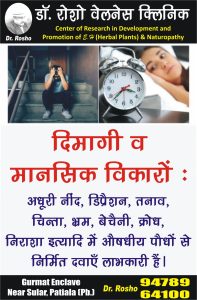
    मानसिक व मनोविज्ञानिक विकारों के लक्षण; जैसे कि अनिद्रा, भय, भर्म, अनिर्णय, असन्तुलन, अकेलापन, नकारत्मक भावनाएं, एकाग्रता की कमी, अधीरता, बेचैनी, अवसाद, माइग्रेन, नशीली दवाओं की लत, क्रोध, दुख, आत्मनिर्भरता की कमी, थकान की भावना, स्मृति की कमी, पेट की परेशानी, मोमबती के धुंधले होने का आशंका,अंधेरे का डर, आत्मघाती विचार,अनुचित तनाव, घबराहट, निराशा, उदासी, नहाते समय और लिफ्ट का उपयोग करते समय बेचैनी, रिश्तों में अविशवास, गन्दे विचार इतियादी।                                                  ऐलोपैथी के इलावा देश-विदेश में पाए जाने वाले प्राकृतिक औषधीय पौधों और पारंपरिक जड़ी-बूटीयों से तैयार दवाईयों से हर प्रकार के मानसिक रोगों का ईलाज सम्भव है जो कि रोगी को निगलने में भी आसान है इसमें ना ही कोई कड़वी गोली ना ही कोई कैप्सूल है यह दवाएं अब तक बहुत ही कारगर सिद्ध हो रही हैं व इनका कोई दुष्प्रभाव भी नहीं है और बहुत ही कम खर्च में उप्लब्ध हैं।”नींद मेँ रखने वाली गोलियों से सावधान”. Main Plants & Herbs from India & Foreign for Neurological Disorders:-Common yarrow,Sweet chamomile,Parsley,Leopard’s Bane,Gorse,Pock wood,Dandelion,Rue-bitter Wort,Great Burnet,Blood Root,Yew Tree,Oat,mistle,Toad Stool,Black Cohosh,Buck-Bean,Spoon wort,Golden Seal,Water Cress,Knotted Figwort (Betony),Smilax,Clot’s Foot,Speed Well,Chamomile, Vomiting Nut,Mollw,Blood Root,Yellow Root,Wind Flower, Southern Wood,Centuary,Hop,Lungs Wort,Bog bean, Sheep Sorrel, Simarouba bark,Purple Cone Flower,Sea Weed,Hoarse Chestnut ,Barberri,Iceland Moss,Cinchonma Calisaya,Cinchonma Succirubra ,Salix Alba, Elder,Aconite Napillus

    Dr.Rosho

    94789-64100

  • Welcome to Dr. Rosho

    Welcome to Dr. Rosho